
Introduction
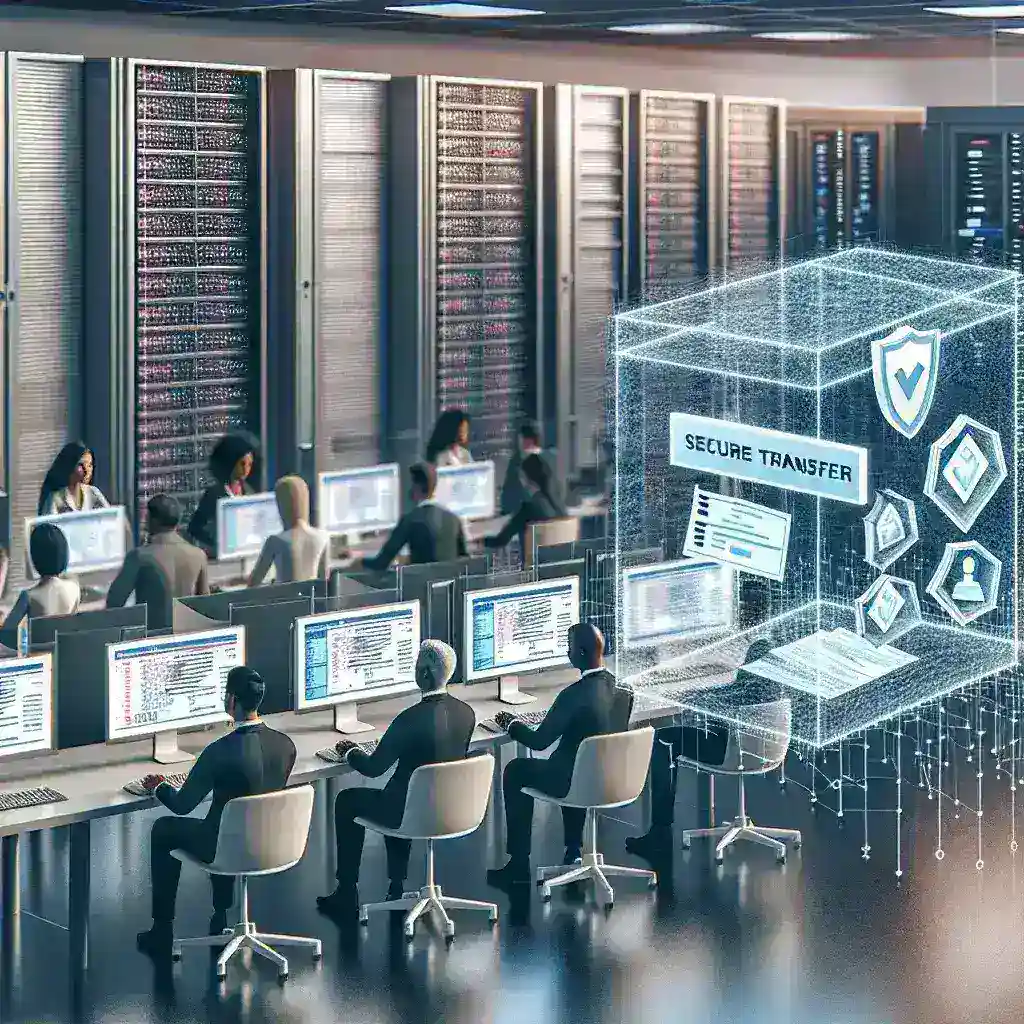
As the electoral landscape continues to evolve, state elections offices across the United States are increasingly prioritizing secure methods for transmitting sensitive information. One significant development in this realm is the adoption of secure file transfer systems for ballot design proofs. This article delves into the importance of these systems, their implementation, and the implications for future elections.
The Need for Secure File Transfer Systems
In a digital age where cyber threats are prevalent, the security of electoral materials, particularly ballots, is paramount. Ballot design proofs contain crucial information regarding the layout, content, and functionality of ballots that voters will use. Any unauthorized access or tampering could lead to severe consequences, including compromised election integrity.
Historical Context
Historically, ballot design proofs were shared via less secure methods, such as physical mail or unsecured email. This practice exposed sensitive data to various risks, including interception by malicious actors. The increasing incidence of cyberattacks, particularly during election cycles, has prompted a reevaluation of these practices.
Cyber Threats and Election Security
According to a report from the Federal Bureau of Investigation (FBI), there were over 1,200 reported cyber incidents targeting election-related systems in the last election cycle alone. This alarming statistic underscores the necessity for a more secure approach to ballot design proofs.
Benefits of Secure File Transfer Systems
State elections offices are now leveraging secure file transfer systems to address these vulnerabilities. Here are some of the key benefits:
- Enhanced Security: These systems utilize encryption to protect files during transmission, ensuring that only authorized personnel can access the documents.
- Improved Efficiency: Secure file transfer systems streamline the process of sharing ballot proofs, reducing the time required for approvals and revisions.
- Audit Trails: Many systems provide detailed logs of file transfers, allowing election officials to track changes and maintain accountability.
How Secure File Transfer Systems Work
Secure file transfer systems typically operate through a combination of encryption, authentication, and access controls. Here’s a simplified overview of how these systems function:
- Encryption: Files are encrypted at the sender’s end before transmission, ensuring data is unreadable to unauthorized third parties.
- Authentication: Users must authenticate their identity before accessing the system, often through multi-factor authentication methods.
- Access Controls: Role-based access controls ensure that only designated personnel can view or modify sensitive documents.
Implementation Across Different States
Various states have begun adopting secure file transfer systems for their ballot design proofs, each with distinct approaches:
Case Study: California
California’s Secretary of State implemented a secure file transfer system that allows local election officials to submit ballot proofs directly. This system has significantly reduced the turnaround time for approvals, ensuring that ballots are ready for printing well ahead of election day.
Case Study: Florida
In Florida, the Division of Elections introduced a secure portal for ballot design submissions. This initiative not only enhanced security but also provided a platform for collaboration among election officials, facilitating real-time feedback and revisions.
Future Predictions
As technology continues to advance, the future of election security will likely see even more innovative solutions. Experts predict that:
- Increased Adoption: More states will adopt secure file transfer systems, setting a new standard for ballot security.
- Integration with Blockchain: Some states may explore integrating blockchain technology to provide an immutable record of ballot design changes.
- Enhanced Voter Transparency: Secure systems may also lead to increased transparency for voters, allowing them to verify the integrity of the ballots they will use.
Challenges and Considerations
While the transition to secure file transfer systems offers numerous benefits, some challenges must be addressed:
Cost Implications
Implementing secure file transfer systems can involve significant upfront costs, including software acquisition and training for staff.
Training and Familiarization
Election officials must be adequately trained to use these systems effectively, necessitating ongoing education and support to ensure smooth operations.
Conclusion
The adoption of secure file transfer systems for ballot design proofs marks a significant advancement in the ongoing effort to protect election integrity. By enhancing security, improving efficiency, and providing accountability, these systems are poised to play a critical role in the future of electoral processes. As more states recognize the importance of safeguarding sensitive information, the electoral landscape will undoubtedly become more secure, leading to greater public trust in the democratic process.
Call to Action
As we move forward, it is crucial for voters, election officials, and policymakers to advocate for the continued implementation of secure technologies in the electoral process. The security of our democracy depends on it.